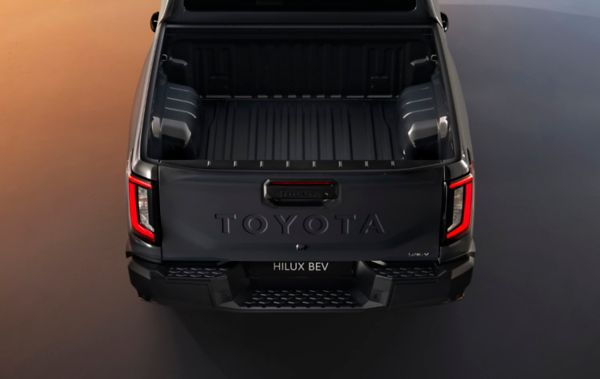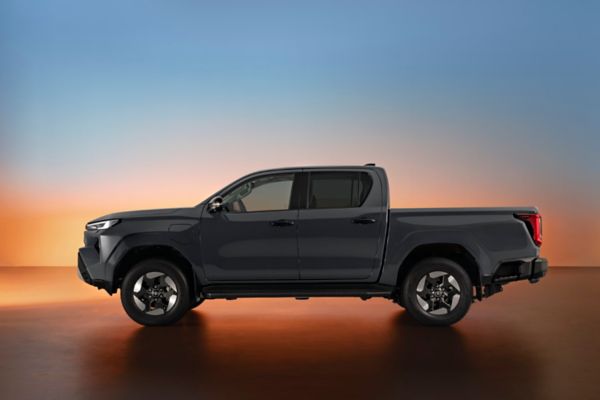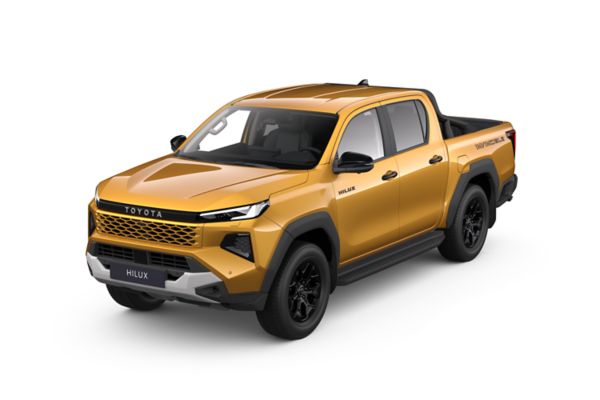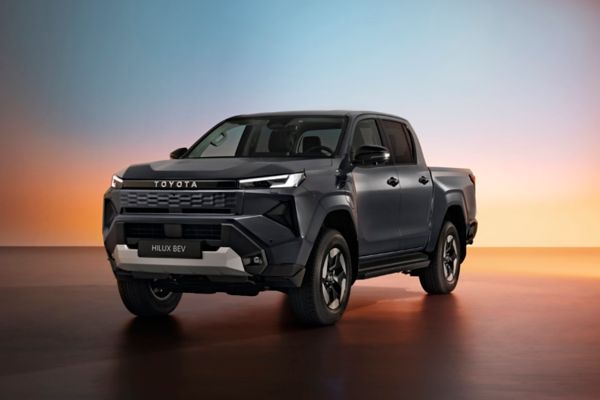
Toyota is opening a new chapter in the history of the Hilux with the unveiling of its ninth generation, a model long synonymous with strength, reliability, and durability. The new Hilux is not simply an evolution of its predecessor; it represents a complete rebirth, as for the first time in its history it will be available in both fully electric (BEV) and hydrogen fuel-cell (FCEV) versions.
This move is part of Toyota’s Multipath Strategy, a philosophy that acknowledges there is no single solution for everyone. As a result, the new Hilux will be offered with a wide range of powertrain options, including fully electric, 48V mild-hybrid, diesel, and petrol engines. These configurations can be tailored to the specific needs and conditions of each market, further strengthening the Hilux’s position as the most versatile and comprehensive pickup in its segment.
From a design perspective, the front end has been completely reworked, featuring new slim headlights and a central light bar housing the TOYOTA logo, evoking the brand’s classic pickup heritage. On the electric version, the traditional grille has been removed to improve aerodynamics, while the wheels feature a dedicated design optimized for electric vehicles.
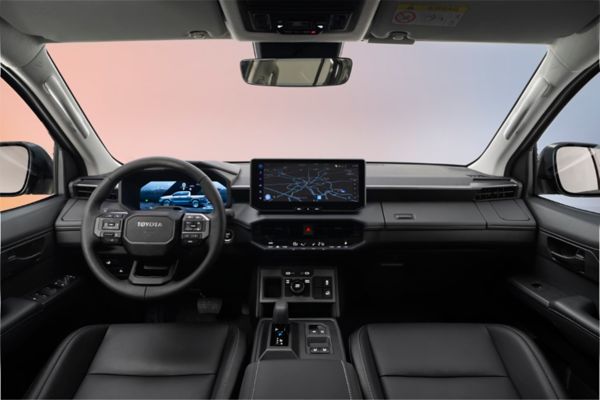
Inside, the modern cabin draws inspiration from the new Land Cruiser. A strong horizontal layout dominates the dashboard, while the driver is presented with a 12.3-inch digital instrument cluster and an equally sized central multimedia display. The infotainment system supports wireless charging and USB ports for rear passengers.
The new Hilux is fully connected via the MyToyota app, offering remote functions and access to vehicle data for up to ten vehicles — an ideal solution for fleets and professionals. At the same time, the upgraded Toyota T-Mate safety package includes a full suite of advanced driver assistance systems, ranging from Blind Spot Monitor and Safe Exit Assist to Emergency Driving Stop System and Proactive Driving Assist. Software updates are now delivered over the air, ensuring continuous system enhancements over time.