First Generation (1994–2000)
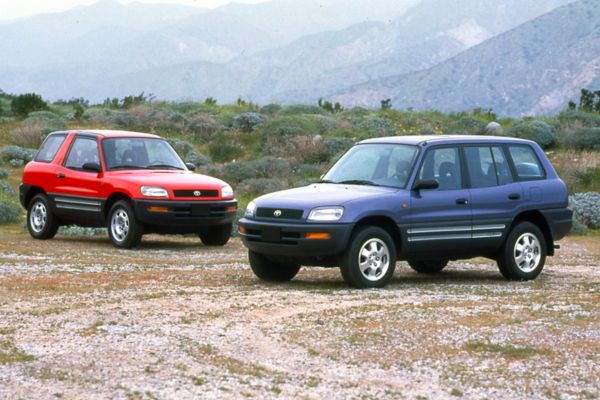
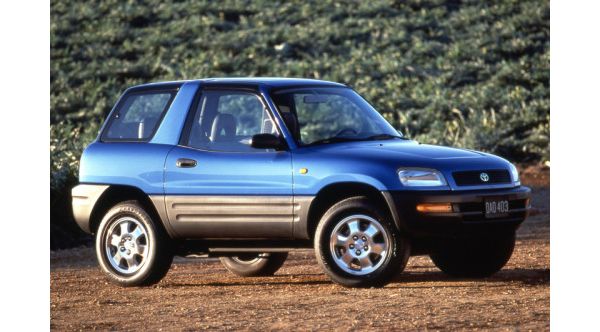
The first-generation RAV4 was introduced in 1994, with Toyota’s Japanese designers creating a bold and fun-to-drive vehicle. The rear-mounted spare wheel hinted at its off-road capabilities, while the compact two- or three-door body measured just 3.69 meters in length. It featured a 2.0-liter petrol engine producing 129 hp and permanent all-wheel drive. In 1996, a five-door version and a front-wheel-drive variant were added, followed by a three-door soft-top model.
Second Generation (2000–2006)
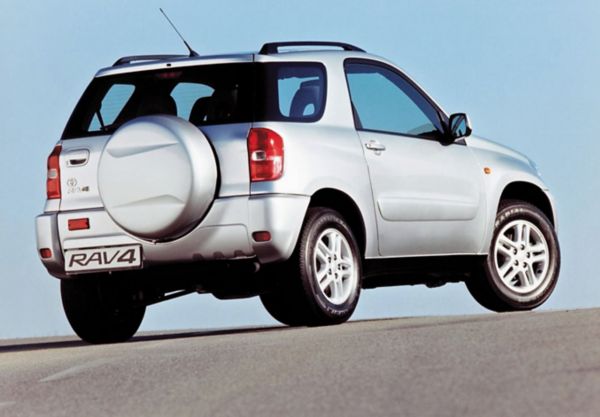
The new millennium brought the second generation of the RAV4, developed using the experience gained from its predecessor. A new platform, revised suspension, and an upgraded AWD system set new standards not only for the model but also for the entire SUV segment. Larger and more refined inside, it was offered with 1.8- and 2.0-liter petrol engines delivering 123 and 150 hp respectively. In 2001, a 2.0-liter D-4D direct-injection diesel engine with 116 hp was added to the lineup.
Third Generation (2006–2012)
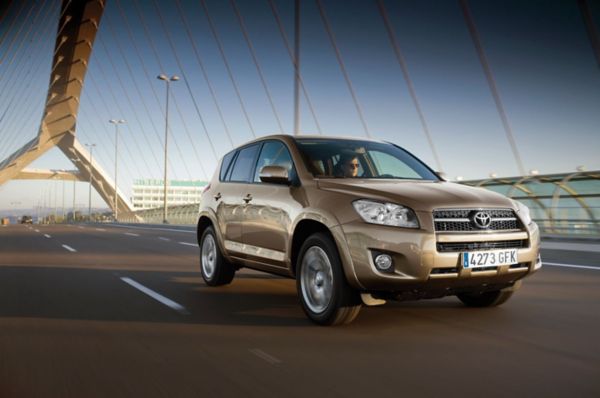
The third generation grew in size and sophistication, introducing a more refined design. Available exclusively as a five-door model, it was built on a new platform offering significantly more space for passengers and luggage. This version marked the debut of Toyota’s electronically controlled AWD system and introduced technologies such as Downhill Assist Control and Hill-start Assist Control. Buyers could also choose from a wider range of petrol and diesel engines.
Fourth Generation (2013–2018)
The fourth-generation RAV4 was even larger and featured a new suspension setup, as well as an advanced AWD system with Dynamic Torque Control. Initially offered with 2.0- and 2.5-liter petrol engines and 2.0- and 2.2-liter diesels, the RAV4 underwent its most significant transformation in 2016. That year, Toyota introduced the first fully hybrid RAV4, making it the brand’s first hybrid compact SUV. With 197 hp and electronic all-wheel drive (E-Four), it delivered best-in-class fuel efficiency and low CO₂ emissions.
Fifth Generation (2018–Present)
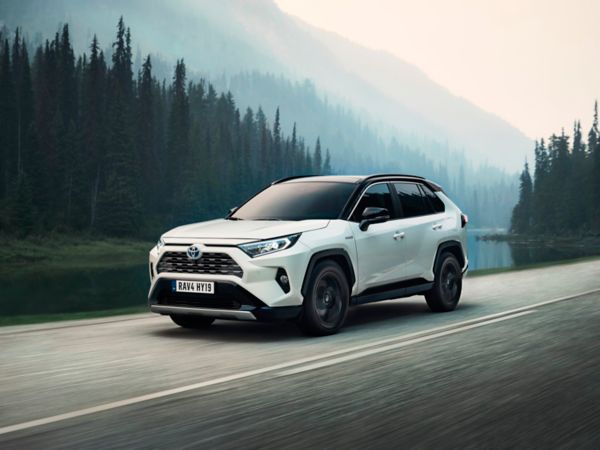
The fifth generation debuted in Europe in early 2019, and just one year later, RAV4 production surpassed ten million units worldwide. Its bold design, advanced technology, and unmatched versatility solidified its position as the world’s best-selling SUV. It adopted Toyota’s fourth-generation hybrid technology, powered by a new 2.5-liter Dynamic Force hybrid engine, providing notable improvements in power, responsiveness, and efficiency. In 2020, the first RAV4 Plug-in Hybrid was launched, offering 306 hp. The most recent addition to the lineup is the RAV4 GR SPORT, developed with the expertise of TOYOTA GAZOO Racing.